

Honda HR-V vs CR-V: What’s the Difference?

Honda HR-V vs CR-V: What’s the Difference?
When looking at Honda HR-V vs CR-V, it’s a close race. Both are highly reliable, provide intuitive technology, and have top-tier safety ratings. If you’re currently looking into these two Honda models, which is the better option for you? Let’s look at it in more detail below.
Honda HR-V vs. CR-V: Quick Overview
Honda HR-V at a Glance
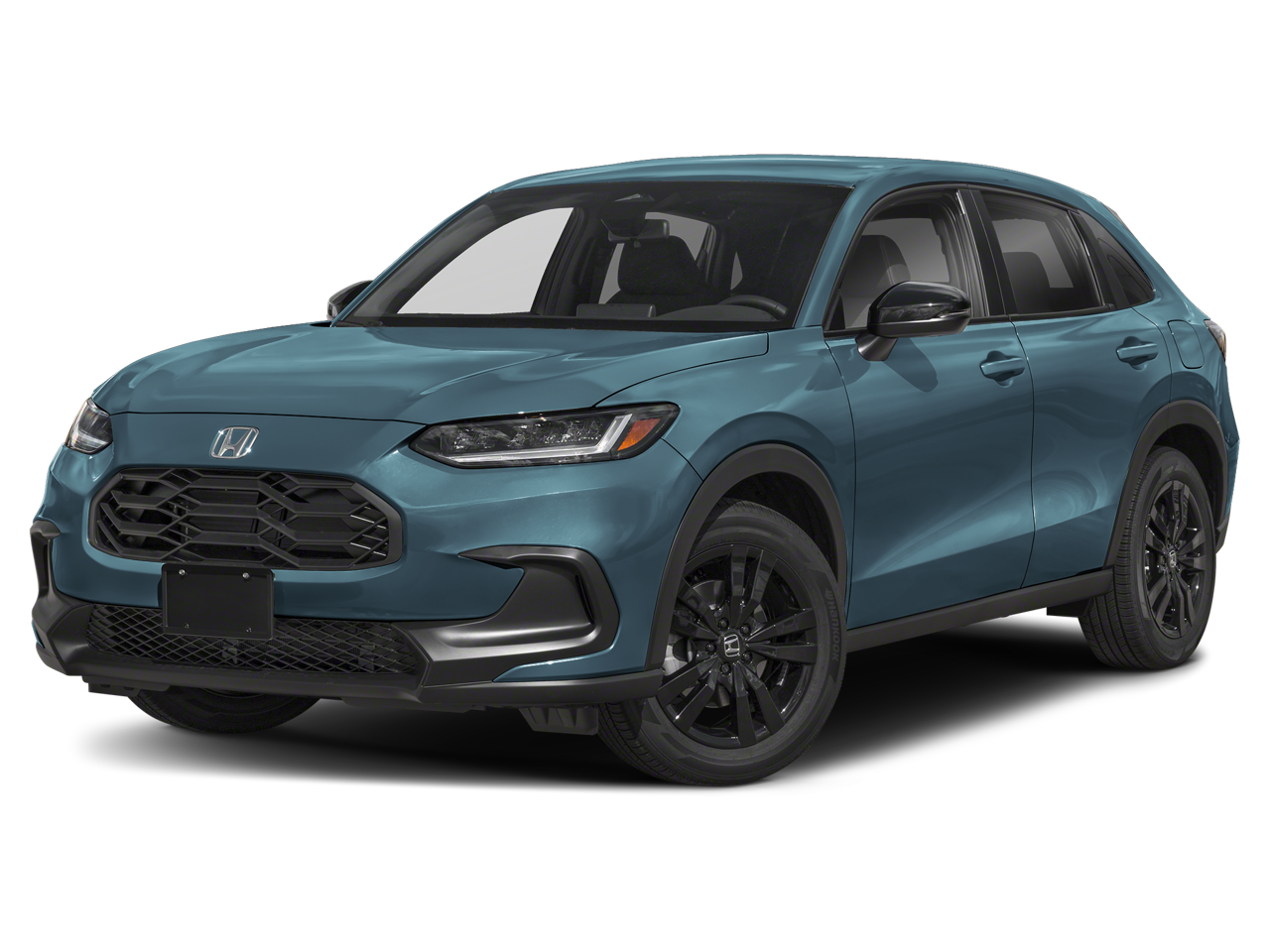
The HRV’s 2.0-liter engine and compact dimensions make urban driving manageable, taking the stress out of navigating heavy traffic and parallel parking. The Honda HR-V is an ideal car for single professionals, young couples, or those of you looking for a reliable, no-nonsense vehicle that keeps operating costs low and gets the daily commuting job done efficiently.
Honda CR-V at a Glance
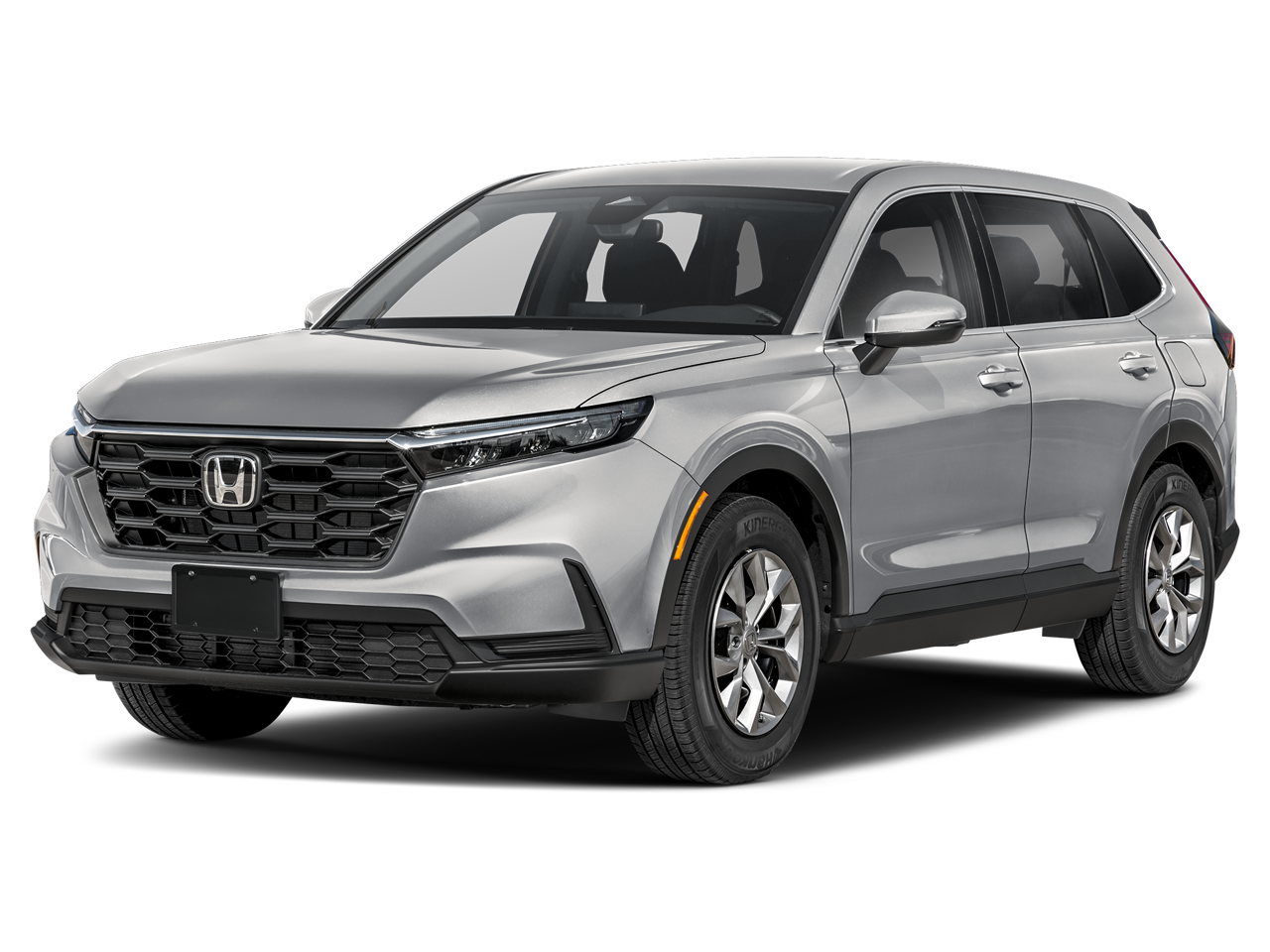
The CR-V delivers more passenger room, cargo space, and stronger engine choices. It’s the ideal vehicle for families looking for a modern crossover, with excellent cabin comfort and features that can accommodate various family needs, from bringing school to kids to grocery runs and weekend getaways.
Which Is Bigger: Honda HR-V or Honda CR-V?
Exterior Size
When it comes to size, the Honda CR-V is the clear winner. The CR-V is 5.0 inches longer than the HR-V, with a total length of 184.8 inches vs 179.8 inches for the HR-V. In height, the CR-V measures roughly 66.5 inches compared to 63.8 inches.
Passenger Space
Both vehicles seat up to five people, but the CR-V has a larger passenger volume with about 106.0 cubic feet compared with the HR-V's about 98.7 cubic feet. The CR-V gives you 41.0 inches of rear legroom, compared with 37.7 inches in the HR-V.
Cargo Capacity
With all seats in place, the CR-V is the wider choice and suitable for needs such as hauling luggage, groceries, or gear, delivering 39.3 cubic feet of cargo room, whereas the HR-V provides a modest 24.4 cubic feet.
Honda HR-V vs. CR-V Performance
Everyday Driving in the Honda HR-V
The combination of the HR-V’s engine and CVT provides an easy, predictable, and overall no-stress, enjoyable daily ride. While the car is a little bit sluggish when it comes to gaining power at highway speed, it completely makes up for it in city driving situations. Its steering is light and effortless, making the HR-V highly reactive and easy to control, which is all you want when driving through an urban environment.
Performance in the Honda CR-V
The CR-V comes with a 1.5-liter turbo engine that generates 190 horsepower, offering plenty of passing power and helping with a smooth and confident ride at highway speeds. The SUV also handles rough pavement better than its smaller sibling. The suspension setup is excellent at absorbing bumps and handling rough pavement better than the HR-V. Therefore, overall, the CR-V provides a more refined experience and premium feel.
Available All-Wheel Drive
Both models feature All-Wheel Drive with Intelligent Control System™. The system automatically distributes torque between the front and rear wheels and can proactively send power to the rear wheels when accelerating or climbing hills. It also responds to changing road conditions to help maintain control, such as during snow, rain, and on slippery roads.
Which Honda SUV Gets Better Fuel Economy?
Fuel Efficiency Depends on Configuration
In the standard gasoline version, the CR-V has a slight advantage in the city, while both SUVs perform identically on the highway. The front-wheel-drive HR-V has an estimated EPA 26mpg in the city and 32 mpg on the highway, and the Honda CR-V 28mpg city/ 33mpg highway. Opting for all-wheel drive lowers the ratings on both models, with the HR-V rated at 25 mpg city/30 mpg highway and the CR-V at 27 mpg city/31 mpg highway.
Honda CR-V Hybrid Options
The Honda CR-V hybrid features a powertrain option with electric propulsion and regenerative braking that the HR-V doesn’t have. With these configurations, the CR-V hybrid can drastically cut fuel consumption during stop-and-go traffic. Moreover, the FWD CR-V hybrid delivers an impressive 43 mpg in the city and 36 mpg on the highway, and even if you add all-wheel drive to the hybrid model, it still pulls off 40 mpg city and 34 mpg highway, which makes the CR-V an excellent all-round SUV.
Honda HR-V vs. CR-V Interior and Comfort
Honda HR-V Interior
HR-V’s interior is modern and simple. It features soft, well-textured materials for comfort and supportive front seats, designed to reduce fatigue on longer commutes and provide better forward visibility for easier, more confident driving. In the back seats, you get generous headroom, although it can feel a little bit tight when three adults are seated in the passenger seats.
Honda CR-V Interior
The Honda CR-V features a thoughtfully designed interior that elevates both daily commutes and long road trips. Throughout the cabin, you’ll find soft-touch, padded materials that replace hard plastics to create that upscale feel. Passengers can also stretch out comfortably thanks to the wider cabin dimensions, while the reclining rear seats add an extra layer of comfort for everyone on board.
Technology Features in the HR-V and CR-V
Smartphone Connectivity
Both Honda models come with standard Android Auto and Apple CarPlay, which allows you to connect your smartphone so it appears on your car’s infotainment system. However, on lower trims, you would need a USB cord plugged into your phone to get connectivity, while higher-trim levels have it on wireless.
Infotainment Displays
The entry-level trims of the HR-V and CR-V are equipped with a 7.0-inch touchscreen. Going into the higher level, the cars feature a 9.0-inch touchscreen display with cleaner graphics and faster loading times. The CR-V also stands out in its top trims, offering a fully digital screen, while the HR-V sticks with a split design that pairs a digital half with an old-school analog speedometer.
Which Is Safer? Honda HR-V vs. CR-V
Honda Sensing® Technologies
Both the CR-V and HR-V are equipped with Honda’s signature safety technology, Honda Sensing®, which includes core features like road departure mitigation, automatic emergency braking, lane-keeping assistance, and a wide-angle camera to help identify pedestrians and lane lines. But in terms of system complexity, the CR-V has a more advanced version, offering a traffic jam assist system, built-in driver attention monitoring, and traffic sign recognition.
Parking and Visibility Features
When determining Honda HR-V vs CR-V in terms of visibility, the Honda HR-V slightly edges out because of its lower beltline and oversized side mirrors, while the CR-V, because it has thicker rear pillars, makes it a little bit harder to see with the rear-view mirrors.
However, the technological features that are on these vehicles help make things easier, especially when parking. For instance, the CR-V has a multi-angle rearview camera with dynamic guidelines that bend as you turn the steering wheel, which makes it easier to align the larger frame. Moreover, the CR-V Sport Touring model includes rain-sensing technology, helping drivers maintain good visibility in heavy downpours.
Frequently Asked Questions About the Honda HR-V vs. CR-V
Is the Honda HR-V cheaper than the Honda CR-V?
The HR-V is generally positioned at a lower starting price than the CR-V. Actual pricing depends on the model year, trim, options, and current dealership inventory.
Which has more cargo space, the HR-V or CR-V?
The Honda CR-V generally offers more cargo capacity than the Honda HR-V, making it a strong option for families, road trips, and drivers who regularly carry larger items.
Is the Honda HR-V good for families?
Yes. The HR-V can be a good choice for smaller families who want a practical SUV with seating for five. Families that need more rear-seat and cargo room may prefer the CR-V.
Does the Honda CR-V come in a hybrid?
Hybrid availability depends on the current model year and inventory. C. Harper Honda can help shoppers compare available gas and hybrid CR-V models.
Visit our dealership or reach out to our team for more information.